
Salt Spray Reliability Test of Liquid Cooling Plates Based on IEC 60068-2-52 Standard
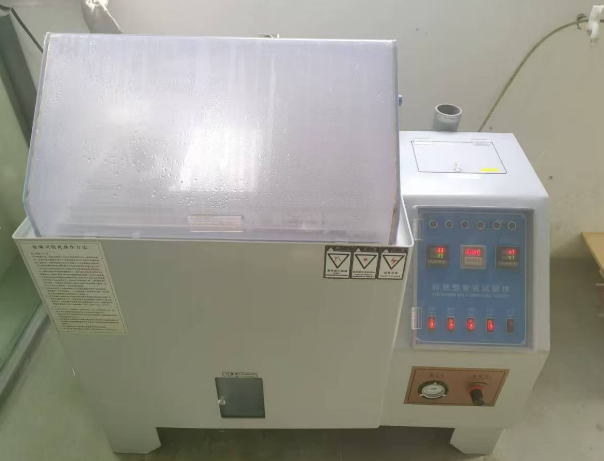
Key Takeaway Table Aspect Details Testing Standard IEC 60068-2-52 Material High-strength aluminum alloys (6063 or 1060) Coating RAL 9006 gray-white electrical insulation powder Testing Cycle 28 days Key Evaluations Insulation resistance, airtightness, structural integrity Liquid Cooling Plates (LCPs) help keep electronic devices cool, especially in powerful machines. Our LCPs are built to work well even […]
The Ultimate Guide to Heat Sinks: Everything You Need to Know
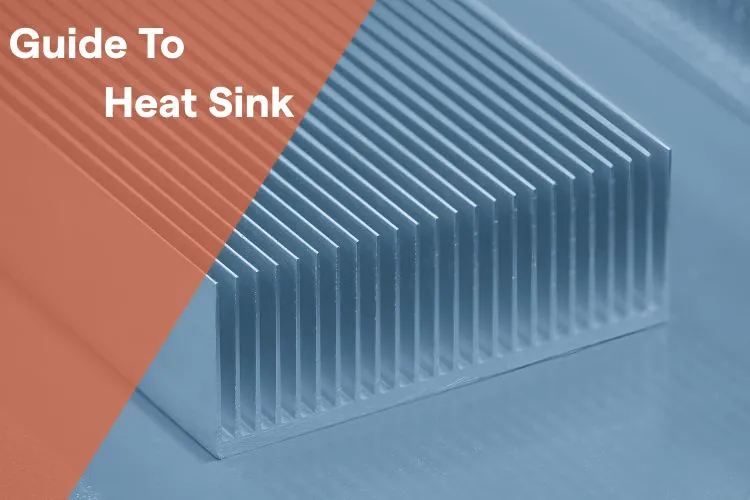
Heat sinks are like superheroes for your electronics, keeping your phone, computer, or even electric car battery cool and safe. They move heat away from delicate parts so your devices don’t overheat, slow down, or break. Without them, your gadgets could get too hot to handle! In this guide, we’ll explore what heat sinks are, […]
Fanless Cooling Technology: The Silent Revolution in Thermal Management
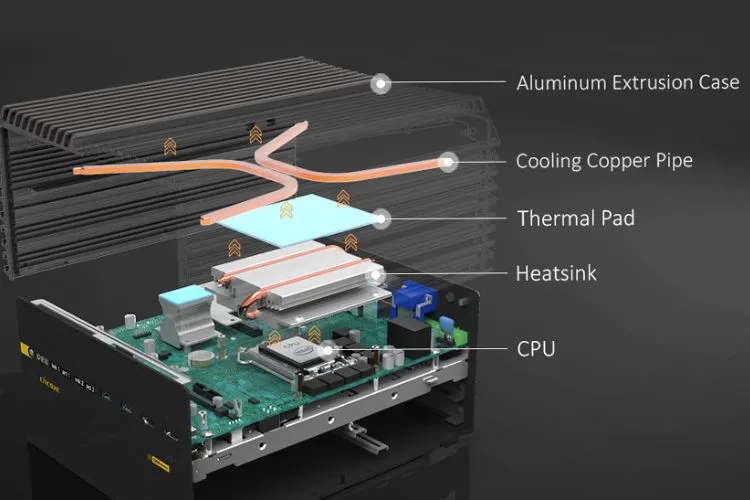
Imagine a world where your laptop, smartphone, or data center stays cool without noisy fans. That’s the magic of fanless cooling technology. It’s a quiet, efficient way to manage heat in electronics, transforming how devices work. In this article, we’ll explore what fanless cooling is, why it’s awesome, and how Kenfatech leads the way with […]
Heat Sink Types: A Comprehensive Guide
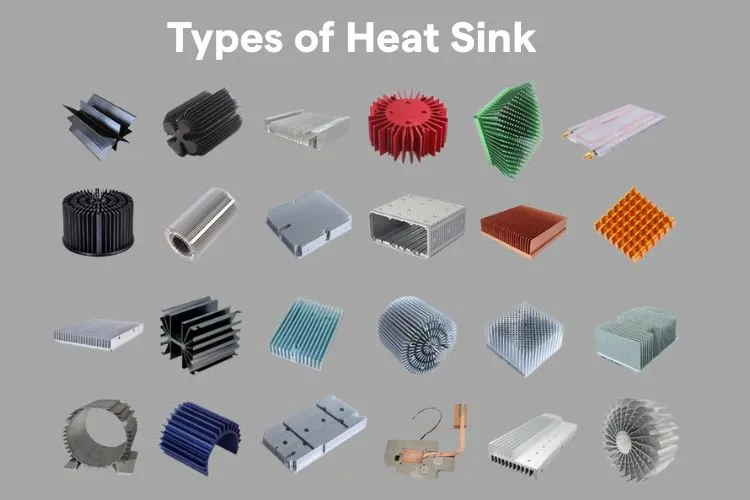
Introduction: Why Heat Sinks Keep Things Cool The Magic of Staying Cool Imagine your phone getting super hot while playing a game. It might slow down or even stop working. That’s where heat sinks come in—they’re like cool towels for electronics, soaking up heat to keep devices happy. Heat sinks are metal pieces that pull […]
Case Study: 4000W skived fin heat sink for IGBT cooling
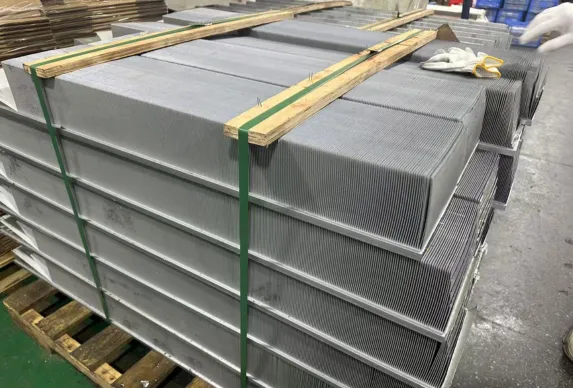
Cooling powerful electronics outdoors is tough. When a client needed a solution for four 4kW IGBT modules—a massive 16kW of heat—we designed a custom air-cooled heat sink that beat their expectations. Here’s a quick look at how we did it. Project Snapshot Details The Core Problem Cooling four 4kW IGBT modules (16kW total) in an […]
Analysis of Corrosion Issues and Material Selection for Liquid Cooling Plate Channels

In modern thermal management technologies, liquid cooling plates serve as critical components for heat dissipation in electronic devices, industrial machinery, and other fields due to their high-efficiency heat conduction performance. Their working principle relies on the circulation of cooling fluid within the channels, which carries away heat through heat exchange to achieve temperature reduction of […]
Heat Sink Design Fundamentals: Your Guide to Keeping Electronics Cool

Electronics are all around us, from smartphones to electric cars. But did you know these devices get hot when they work? If that heat isn’t handled, it can slow down or even break your gadgets. That’s where heat sinks come in! Heat sinks are like superheroes that keep electronics cool by moving heat away. In […]
Understanding Heat Pipe Thermal Conductivity: Your Guide to Efficient Cooling

Quick Takeaway: Heat Pipe vs. Metal Thermal Conductivity Material/Device Thermal Conductivity (W/m·K) Key Advantage Copper (solid metal) ~390 High conductivity for metals Aluminum (solid metal) ~200 Lightweight and cost-effective Heat Pipe (electronics) 1,500 – 50,000 Super-efficient heat transfer Heat Pipe (theoretical max) Up to 100,000 Ideal for extreme conditions Why it matters: Heat pipes transfer […]
Heat Pipes: The Ultimate Guide to Efficient Thermal Management

Key Heat Pipe Reference Guide Heat Pipe Type Temperature Range Best Applications Key Advantage Water-based 20°C to 150-200°C Consumer electronics, data centers High performance in common temperature ranges Ethanol-based -10°C to 100°C Low-temperature environments, refrigeration Works below freezing temperatures Naphthalene-based 200°C to 400°C Industrial equipment, high-temp electronics Extreme heat tolerance Vapor chambers 20°C to 150°C […]